Core Subjects and 21st Century Themes

Attention: open in a new window.Print

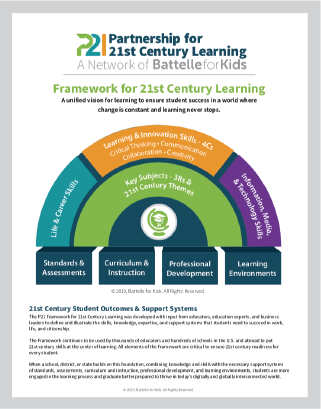
view medium framework rainbow

Core Subjects

Mastery of core subjects and 21st century themes is essential for students in the 21st century. Core subjects include:

  • English, reading or language arts
  • World languages
  • Arts
  • Mathematics
  • Economics
  • Science
  • Geography
  • History
  • Government and Civics

In addition to these subjects, we believe schools must move beyond a focus on basic competency in core subjects to promoting understanding of academic content at much higher levels by weaving 21st century interdisciplinary themes into core subjects:

Browse Core Subject Resources

Global Awareness

  • Using 21st century skills to understand and address global issues
  • Learning from and working collaboratively with individuals representing diverse cultures, religions and lifestyles in a spirit of mutual respect and open dialogue in personal, work and community contexts
  • Understanding other nations and cultures, including the use of non-English languages

Browse Global Awareness Resources

Financial, Economic, Business and Entrepreneurial Literacy

  • Knowing how to make appropriate personal economic choices
  • Understanding the role of the economy in society
  • Using entrepreneurial skills to enhance workplace productivity and career options

Browse Financial, Economic, Business and Entrepreneurial Literacy Resources

Civic Literacy

  • Participating effectively in civic life through knowing how to stay informed and understanding governmental processes
  • Exercising the rights and obligations of citizenship at local, state, national and global levels
  • Understanding the local and global implications of civic decisions

Browse Civic Literacy Resources

Health Literacy

  • Obtaining, interpreting and understanding basic health information and services and using such information and services in ways that are health enhancing
  • Understanding preventive physical and mental health measures, including proper diet, nutrition, exercise, risk avoidance and stress reduction
  • Using available information to make appropriate health-related decisions
  • Establishing and monitoring personal and family health goals
  • Understanding national and international public health and safety issues

Browse Health Literacy Resources

Environmental Literacy

  • Demonstrate knowledge and understanding of the environment and the circumstances and conditions affecting it, particularly as relates to air, climate, land, food, energy, water and ecosystems
  • Demonstrate knowledge and understanding of society’s impact on the natural world (e.g., population growth, population development, resource consumption rate, etc.)
  • Investigate and analyze environmental issues, and make accurate conclusions about effective solutions
  • Take individual and collective action towards addressing environmental challenges (e.g., participating in global actions, designing solutions that inspire action on environmental issues)
Browse Environmental Literacy Resources (coming soon!)


Download the full P21 Framework Definitions Document


Partnership for 21st Century Skills